Back to Journal
Dubai, UAEBy Fipera Editorial Team
The Synthetic Canvas: How AI is Transforming Graphic Design into Dynamic Ecosystems
AIGraphic DesignBrandingDubaiRiyadhDohaMuscatIstanbulGCC
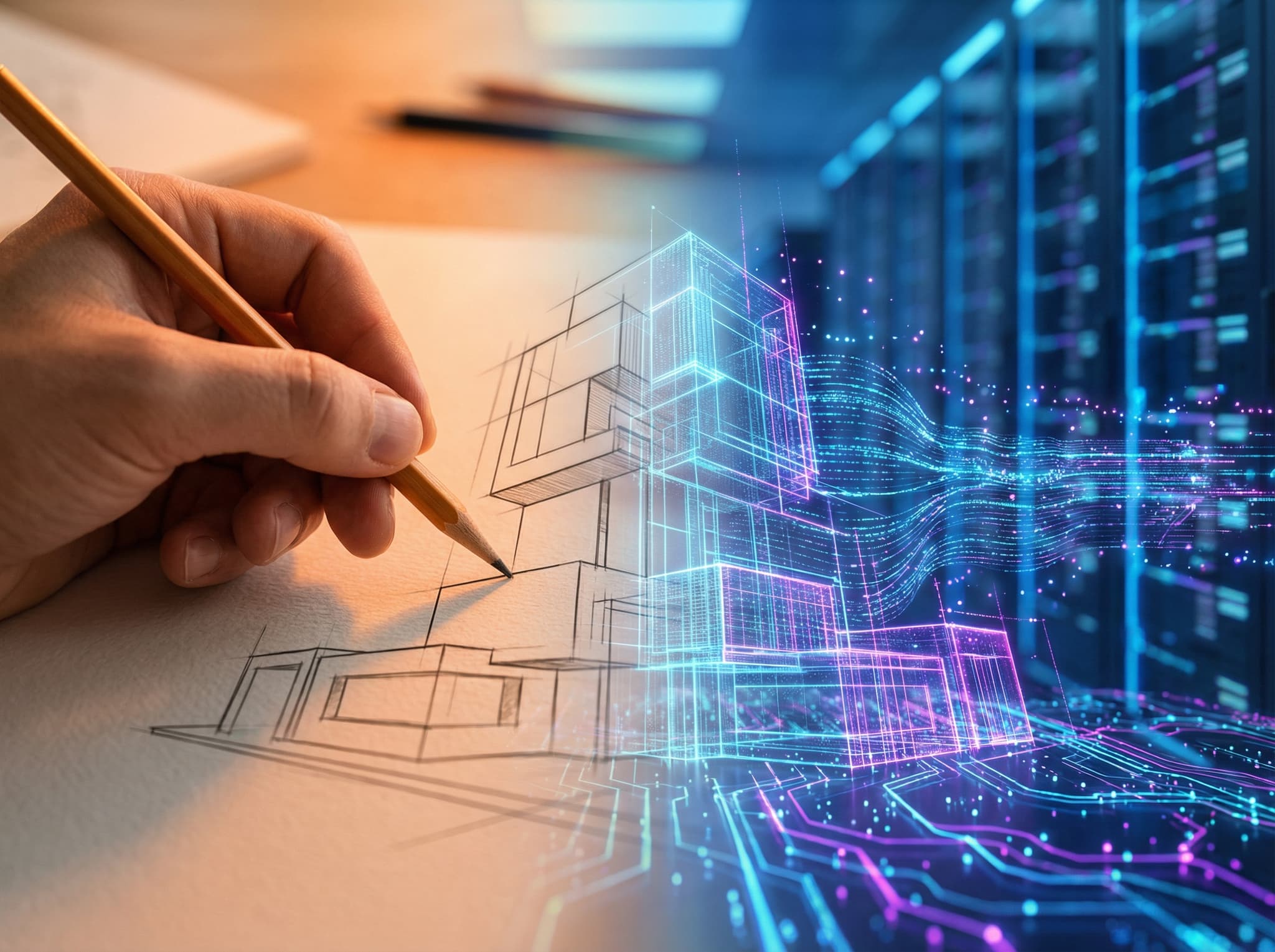
The Synthetic Canvas: How AI is Transforming Graphic Design into Dynamic Ecosystems
We have moved beyond the age of the "Static Logo." Welcome to the era of Generative Branding, where Artificial Intelligence acts not as the creator, but as the ultimate force multiplier for human creativity.
For decades, the graphic design industry was defined by a linear process: Brief, Sketch, Vectorize, Revise, Finalize. It was a craft of manual precision. As we operate in 2026, the introduction of advanced Generative AI into professional workflows has shattered this linearity. We are no longer just designing assets; we are designing systems.
Contrary to the early fears of 2023, AI hasn't replaced the designer. Instead, it has elevated the designer from a "pixel pusher" to a "Creative Director" of algorithmic outputs. At Fipera, we see this synthesis as the most significant leap since the invention of Photoshop.
From Static Assets to Generative Identity
The traditional brand guideline book is obsolete. A static logo cannot keep up with the fluid demands of the metaverse, AR interfaces, and hyper-personalized social feeds. AI enables Generative Branding—visual identities that are alive.
Dynamic Permutations: Instead of creating one hero image, we define a set of visual rules (color, shape, typography) and allow AI models to generate thousands of on-brand variations instantly.
Contextual Adaptation: Imagine a brand visual that automatically shifts its complexity based on the user's device or shifts its color palette based on real-time weather data. This is now standard execution.